Mastering Mobile Payment Security: A Comprehensive Guide
Explore the best practices for securing mobile payments, focusing on encryption and authentication to ensure safe and reliable transactions.
Understanding the Importance of Mobile Payment Security
In today's digital age, mobile payments have become a convenient way to conduct transactions. However, with convenience comes the risk of security breaches. Understanding the importance of securing mobile payments is crucial for both consumers and businesses.
Mobile payment security involves protecting sensitive information from unauthorized access. By implementing robust security measures, such as encryption and authentication, you can safeguard your transactions and maintain trust with your customers.

Implementing Encryption for Secure Transactions
Encryption is a fundamental component of mobile payment security. It involves converting sensitive data into a coded format that can only be deciphered by authorized parties. This ensures that even if data is intercepted, it remains unreadable to unauthorized users.
To implement encryption effectively, businesses should use strong encryption protocols such as AES (Advanced Encryption Standard). This provides a high level of security and is widely recognized as a best practice in the industry.
Regularly updating encryption methods is also essential to counteract evolving cyber threats. Staying informed about the latest encryption technologies can help maintain the integrity of mobile payment systems.

Enhancing Security with Authentication Methods
Authentication is another critical aspect of mobile payment security. It verifies the identity of users before allowing access to sensitive information or completing transactions.
Implementing multi-factor authentication (MFA) adds an extra layer of security by requiring users to provide two or more verification factors. This significantly reduces the risk of unauthorized access and enhances overall security.
Six Key Strategies for Securing Mobile Payments
To ensure the security of mobile payments, consider implementing the following six strategies. These approaches will help protect sensitive data and maintain customer trust.
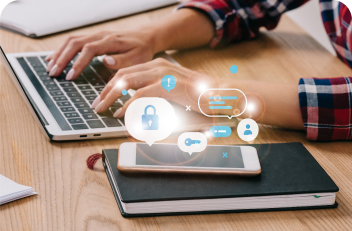
Use Strong Passwords
Encourage users to create strong, unique passwords for their accounts to prevent unauthorized access.

Enable Two-Factor Authentication
Implement two-factor authentication to add an extra layer of security to user accounts.

Regular Software Updates
Ensure that all software and applications are regularly updated to protect against vulnerabilities.

Monitor Transactions
Regularly monitor transactions for any suspicious activity to quickly identify and address potential threats.

Educate Users
Provide users with information and resources on how to protect their mobile payment data.
Implement Secure Networks
Use secure networks and connections to prevent unauthorized access to payment systems.
Featured in